Best Time of Year to Self-Drive in Nepal: A Season-by-Season Guide
When should you plan a self-drive road trip in Nepal? A season-by-season breakdown of road conditions, visibility, and which routes work best in each.
When is the best time to self-drive in Nepal?
October and November are usually the best months for a Nepal road trip because roads are generally drier and mountain visibility is clearer. Winter and spring also suit many lower-elevation routes, while monsoon driving needs live road and landslide checks before departure.
"When should I go?" comes up on almost every planning call, right after "which car?" The honest answer is that Nepal doesn't have a single best season — it has a best season per route, and knowing which is which changes how much you enjoy the drive.
Autumn (October–November): The Peak Season
This is Nepal's clearest, most reliable driving season. The monsoon has cleared the air, skies are sharp, mountain views are at their best, and roads are dry after months of rain. It's also peak tourist season, so popular routes and destinations are busier and vehicles book out faster — if autumn is your window, call and lock in a car earlier than you think you need to.
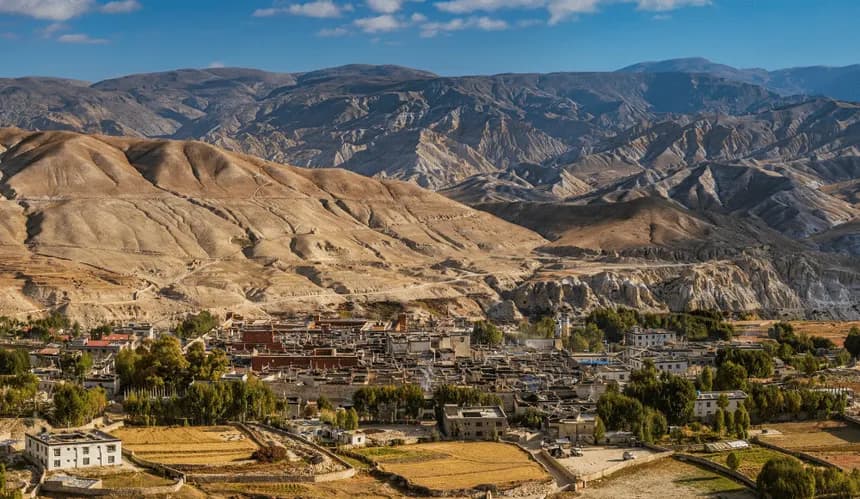
Best for: Everything, but especially long-range routes like Mustang where visibility and dry roads matter most.
Winter (December–February): Clear but Cold
Roads stay dry and skies stay clear through most of winter in the lower valleys, making it a strong second choice to autumn — with the advantage of thinner crowds. The trade-off is temperature: high-altitude routes can get genuinely cold, and some higher mountain passes may see snow or ice. Lower-altitude routes like Chitwan or the Kathmandu–Pokhara corridor are unaffected and drive well all winter.
Best for: Chitwan, Pokhara, and valley routes. Check current road conditions before committing to higher-altitude winter drives.
Spring (March–May): Warm, with Some Haze
Spring brings warmer temperatures and Nepal's famous rhododendron blooms on the hill routes, but visibility can suffer from pre-monsoon haze and occasional agricultural burning, especially by late spring. Roads themselves are generally in good shape. It's a solid season for shorter hill drives where scenery close to the road matters more than distant mountain views.
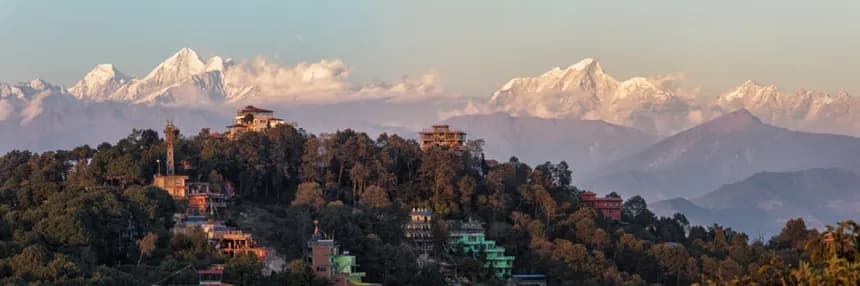
Best for: Nagarkot and Bandipur — short, hill-forward routes where the immediate scenery is the draw, haze or not.
Monsoon (June–September): Plan Around It, Don't Avoid It Entirely
Monsoon is the season to be most deliberate about. Heavy rain increases landslide risk on hill and mountain roads, particularly in the mid-hills, and can slow travel on routes that are effortless in dry months. It's not a season to rule out entirely — flatter highway routes like Kathmandu to Chitwan are far less affected than mountain routes — but it's the one season where checking conditions with our team before you commit to a route isn't optional.
Best for: Flat highway routes (Chitwan). Reconsider or delay higher-altitude mountain routes until conditions clear.
Quick Reference
| Season | Road Conditions | Best Routes | Watch Out For |
|---|---|---|---|
| Autumn (Oct–Nov) | Dry, clear | Any route, especially Mustang | Peak-season booking demand |
| Winter (Dec–Feb) | Dry in valleys | Chitwan, Pokhara, valley routes | Cold and possible ice at altitude |
| Spring (Mar–May) | Good | Nagarkot, Bandipur | Pre-monsoon haze |
| Monsoon (Jun–Sep) | Variable, landslide risk on hill roads | Chitwan (flat highway) | Mountain routes — check conditions first |
How We Help You Plan Around the Season
Every booking call includes a route check for the season you're actually travelling in — not a generic itinerary. If conditions on your first-choice route aren't ideal for your dates, we'll suggest the closest alternative that is, rather than just confirming the booking and leaving you to find out on the road.
Frequently Asked Questions
Is it ever a bad idea to self-drive in Nepal? No route is off-limits outright, but some combinations of season and altitude call for real caution — that's exactly what the planning call before booking is for.
Does the EV fleet handle monsoon driving differently than a petrol car? Mechanically, wet-weather handling is comparable. The bigger monsoon consideration for any vehicle is landslide-affected roads, which our team tracks and routes around regardless of what you're driving.
What's the single best month to book if I'm flexible? October, if your dates allow it — the best combination of dry roads, clear mountain visibility, and manageable temperatures across nearly every route in Nepal.
Related Reading
- Nepal Road Trip Guide: Routes, Itineraries & Planning
- Kathmandu to Mustang by EV: The Complete Road Trip Guide
- EV Charging Stations in Nepal: The Practical Guide
Not sure if your dates line up with the right season for your route? Call now and we'll tell you straight — or browse road trip itineraries built around the best time to run each one.
Sources and Further Reading
Aashik Khatri
Technical Head, EvselfdriveNepal
Aashik leads technology and operations at EvselfdriveNepal, working daily with the fleet, route planning, and customer bookings across Kathmandu, Pokhara, and beyond.
Ready to book your self-drive EV?
Call now — our specialists confirm availability and your route in under two minutes.
Call & Reserve